
A Day Dedicated to Birds 

As the first light reaches Peru’s landscapes, its wilderness awakens in song. From the mist-covered cloud forests surrounding Machu Picchu, to the depths of the Amazon rainforest, countless birds celebrate the beginning of a new day. 

On Global Big Day, this daily symphony becomes part of something larger. Organized each year by the Cornell Lab of Ornithology through eBird, the event brings together birdwatchers, researchers, and nature enthusiasts from around the world with a shared purpose: to document as many bird species as possible within 24 hours. 

On May 9th this year, Inkaterra’s Explorer Guides joined the initiative within two of Peru’s most remarkable ecosystems. 
159 Bird Species in One Day 

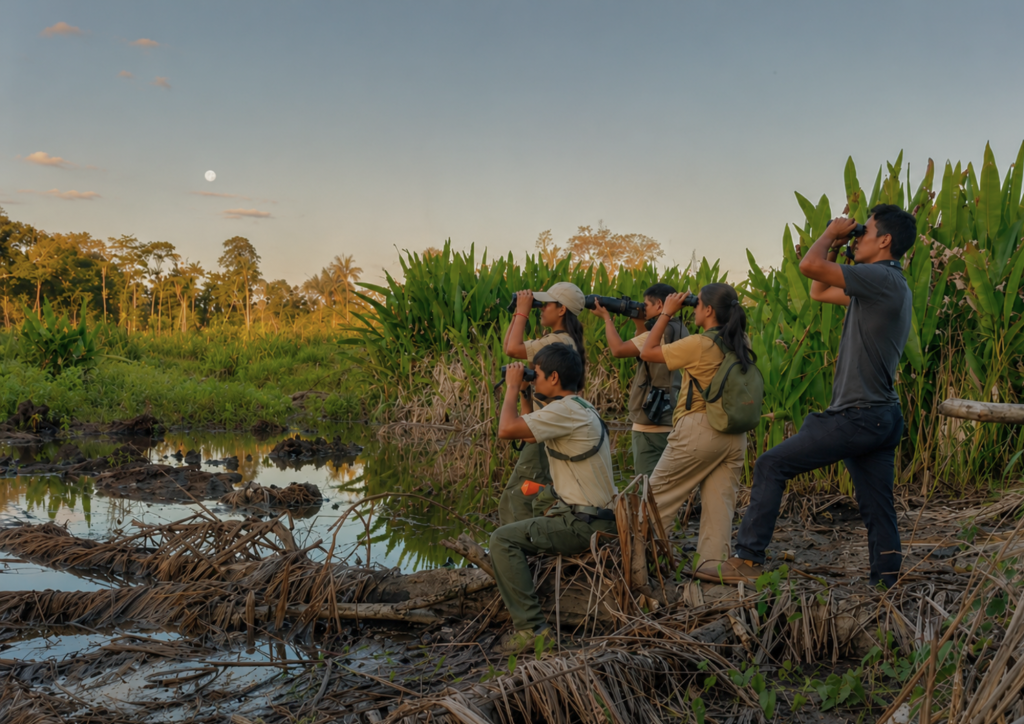
From Inkaterra Machu Picchu Pueblo Hotel to Inkaterra Reserva Amazónica, our Explorer Guides spent the day observing and recording the remarkable diversity of Peru’s avian life. 

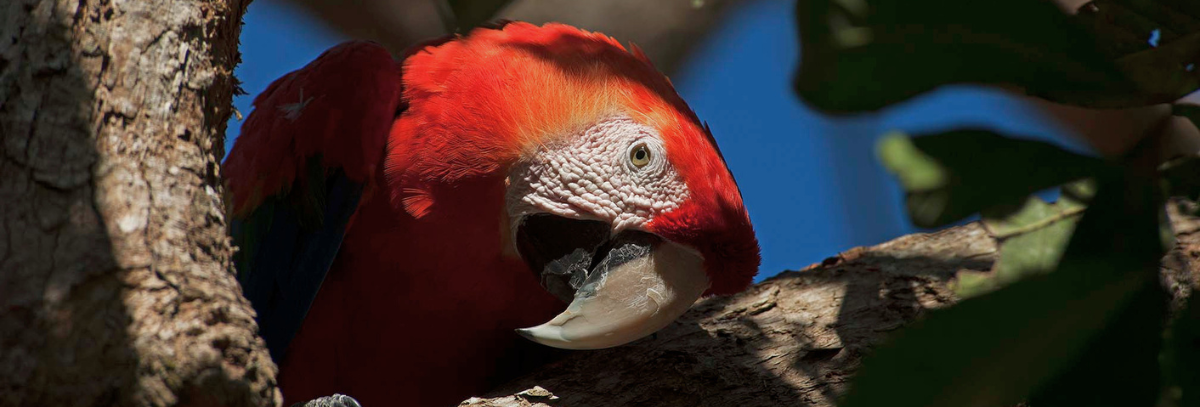
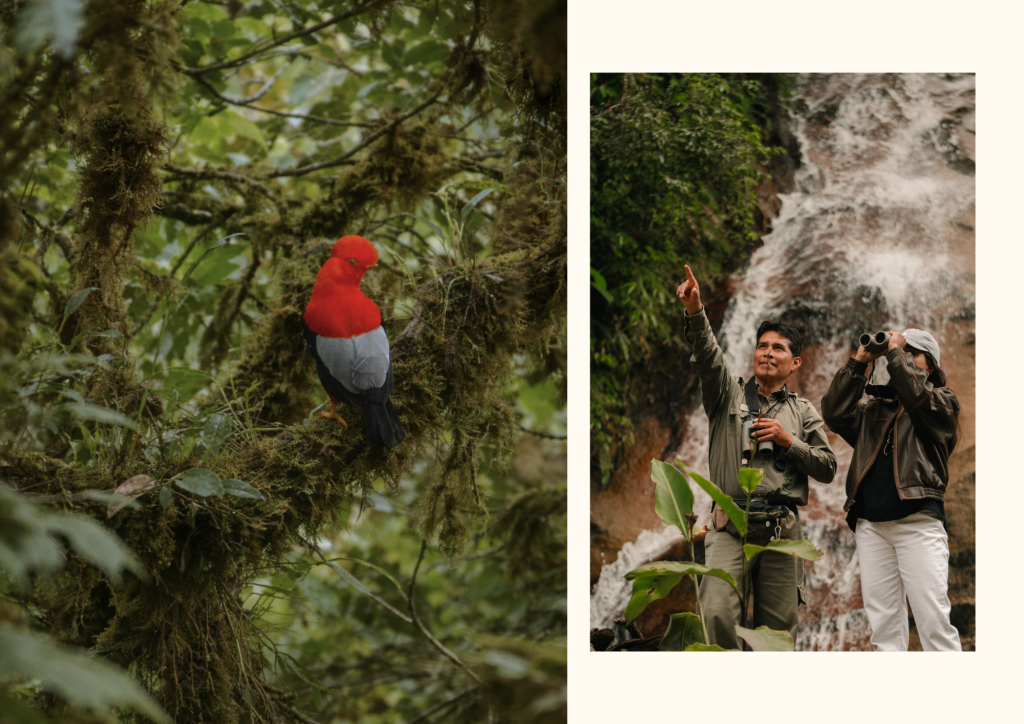
By sunset, 159 species had been recorded, including sightings of the Andean cock-of-the-rock, Peru’s national bird. 

These observations formed part of Peru’s outstanding achievement during this year’s Global Big Day. With 1,439 species recorded in a single day, the country ranked second worldwide, reaffirming its position as one of Earth’s greatest destinations for bird diversity. 

Home to nearly 20% of the world’s bird species, Peru offers an unparalleled variety of habitats—from the Pacific coast and Andean highlands to cloud forests and the Amazon Basin—making it a global hotspot for birdwatching and scientific research. 
A Commitment Beyond the Event 

Global Big Day is more than an annual celebration; it reflects an ongoing commitment to conservation, research, and habitat protection.

Within the grounds of Inkaterra Machu Picchu Pueblo Hotel alone, 317 species have been recorded through eBird. Across Inkaterra’s areas of influence, more than 900 species have been documented—an extraordinary concentration of biodiversity comparable to that of entire countries.

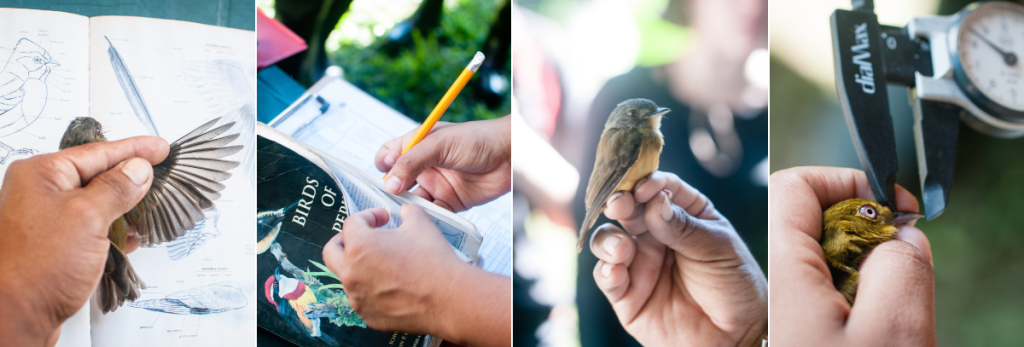
Together with Inkaterra Asociación, these efforts extend beyond observation through long-term bird monitoring and banding initiatives that generate valuable scientific data for conservation. This ongoing work deepens the understanding of avian ecology and population dynamics while supporting the establishment of local conservation areas, engaging local communities in the protection of endemic species, and helping safeguard migratory routes for seasonal bird populations.

Each observation contributes to a broader understanding of Peru’s ecosystems and reinforces long-term efforts to protect the habitats upon which these species depend.
Following the Birds 

For travelers, Global Big Day offers a glimpse into experiences that can be enjoyed throughout the year. 

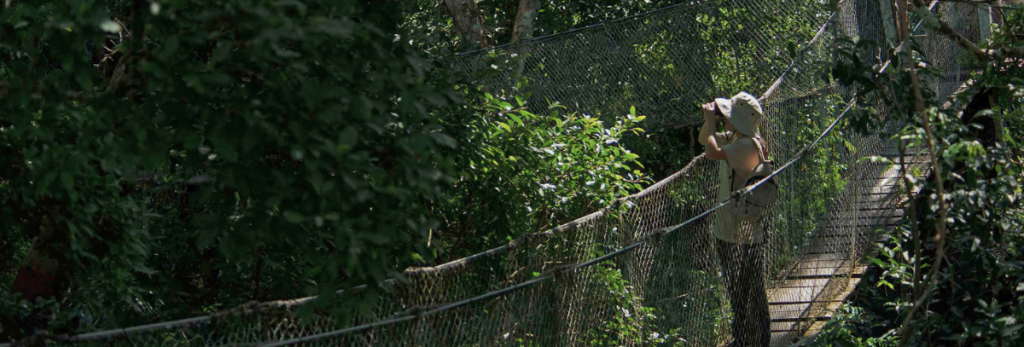
Many of the species recorded during the event can also be observed through Inkaterra’s guided birdwatching experiences, led by Explorer Guides whose deep knowledge of local ecosystems transforms each encounter into a deeper connection with place. 

Whether in the cloud forests surrounding Machu Picchu or the depths of the Amazon rainforest, every walk offers an opportunity to discover the extraordinary biodiversity that defines Peru’s natural heritage and continues to inspire conservation, research, and exploration. 
Cabo Blanco, Through Heather Jasper’s Eyes

Some journeys last only a few days. Others linger long after they end, quietly reshaping the way a place is remembered. For Heather Jasper, Peru began as another destination on the map and gradually became something closer to home.

Originally from Seattle, she transitioned from teaching into writing and travel, with work published in outlets such as BBC Travel and Fodor’s Travel. What began as a temporary stay in Peru became permanent after the COVID-19 pandemic reshaped her plans. Since 2019, she has lived in Cusco, traveling extensively across the country.

After years of exploration, she believed few places could still truly surprise her. Then, she came to Cabo Blanco.

Photo courtesy of Heather Jasper

Where the Desert Meets the Pacific

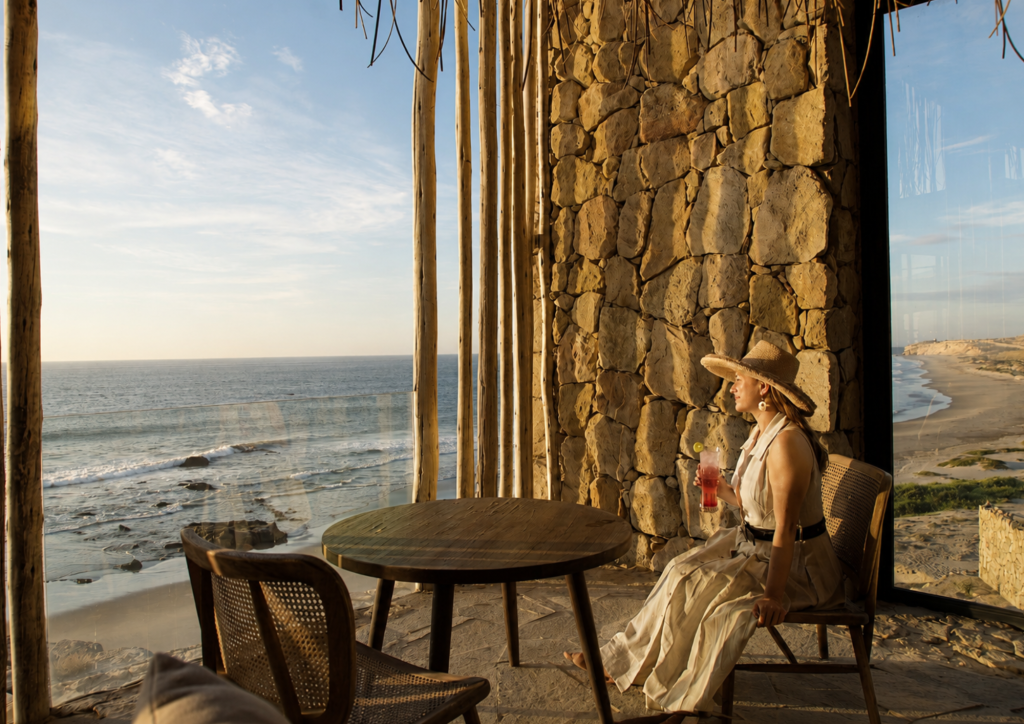
On Peru’s northern coast, where desert meets the Pacific, Inkaterra Cabo Blanco feels less like an arrival than a subtle shift in atmosphere. Dry hills soften into salt-laced wind, the light opens wider, and the ocean appears all at once — vast, quiet, uninterrupted.

This stretch of the Pacific has a history that sets it apart from the rest of Peru,” Heather reflects.

Echoes of Hemingway

History lingers — not in monuments, but in fragments.

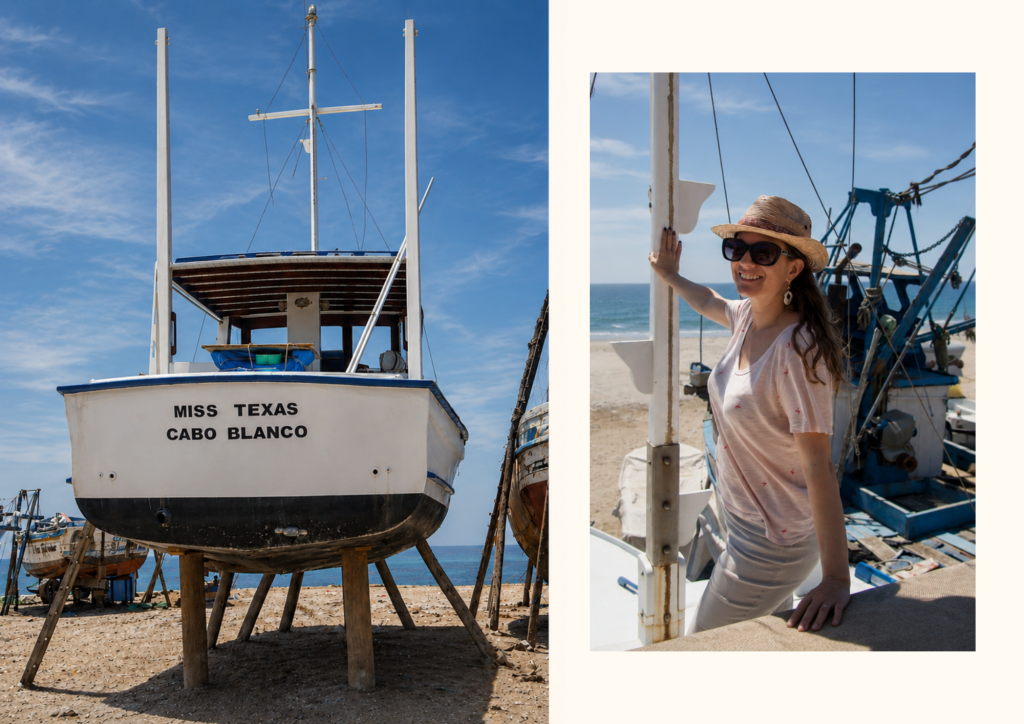
In the 1950s, Cabo Blanco drew global attention for its giant marlin fishing, attracting adventurers and writers, among them Ernest Hemingway, who stayed at the Cabo Blanco Fishing Club in 1956. Traces of that era remain offshore, including the Miss Texas fishing boat, once part of Hemingway’s fishing expeditions and now under restoration. For Heather, it felt less like encountering history than recognizing it — a quiet alignment between story and place.

As a writer, I was thrilled to see the boat Hemingway fished on, the Miss Texas,” she says.

But it was not the mythology that stayed with her.

Where Stories Still Live

At Cabo Blanco Restaurant, Heather met Orlando, the chef, whose father had worked as a bartender at the Fishing Club during Hemingway’s visits. He grew up listening to stories where history and legend blurred — fishermen returning from the sea, and the quiet presence of one of literature’s most iconic figures.

Between smiles and recollections, a name surfaced.
They called him Papá,” Orlando says.
Not Hemingway. Simply Papá — a name that softens legend into familiarity.

Photo courtesy of Heather Jasper

A Stay Shaped by Place

That same sense of familiarity extended into her own stay at Inkaterra Cabo Blanco.

Thirteen ocean-facing suites overlook a deserted stretch of coast where desert and sea meet without interruption. Recently recognized in Condé Nast Traveler’s Hot List 2026, the property feels like a natural extension of its surroundings rather than a structure placed upon them.

During her stay, Heather learned about the conservation work Inkaterra Asociación carries out in the area, including its pearl oyster restoration project — an effort to recover a species that once defined this stretch of coastline, and another layer of the site’s quiet, ongoing story.

For Heather, it wasn’t the recognition that mattered — it was the detail. The kind that signals a place paying attention.

I cannot recommend Inkaterra Cabo Blanco more highly,” Heather says.
The suites sit above a deserted beach — cleaner and more untouched than any I’ve seen in Peru. My suite felt quietly luxurious, especially the private plunge pool. The food was excellent, particularly the lunch menu, which lists the morning’s catch with remarkable detail.”

After years of traveling throughout Peru, she arrived expecting not much more than a remote destination. What she found instead was something more enduring — a place shaped by Hemingway’s legend where stories move through people, memory, and landscape, as powerful as its ocean swell.