Adventure Apr 21, 2026 3 min
In Cabo Blanco, even ordinary days carry the impact of legend.
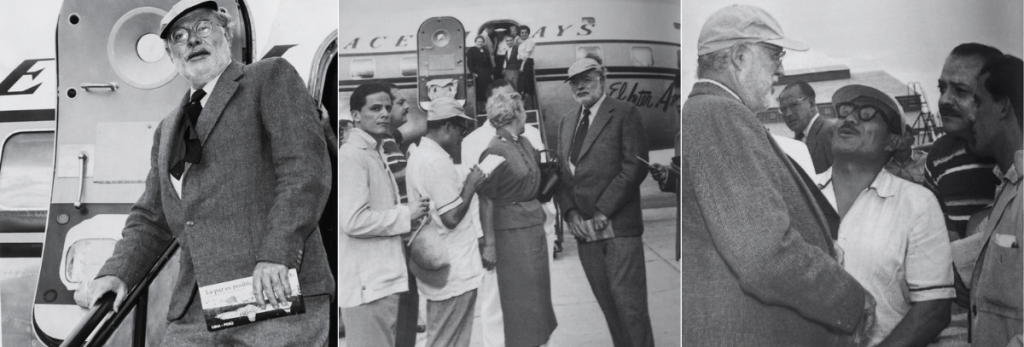
The Pacific breathes in slow, measured rhythms. Salt hangs in the air, the wind curls softly along the coastline, and life unfolds with an almost deliberate stillness. That was the morning of April 16, 1956, in this far-flung corner of northern Peru, when a rumor began to ripple quietly through the village.
A visitor was about to arrive. Not—so they said—just any “gringo.”
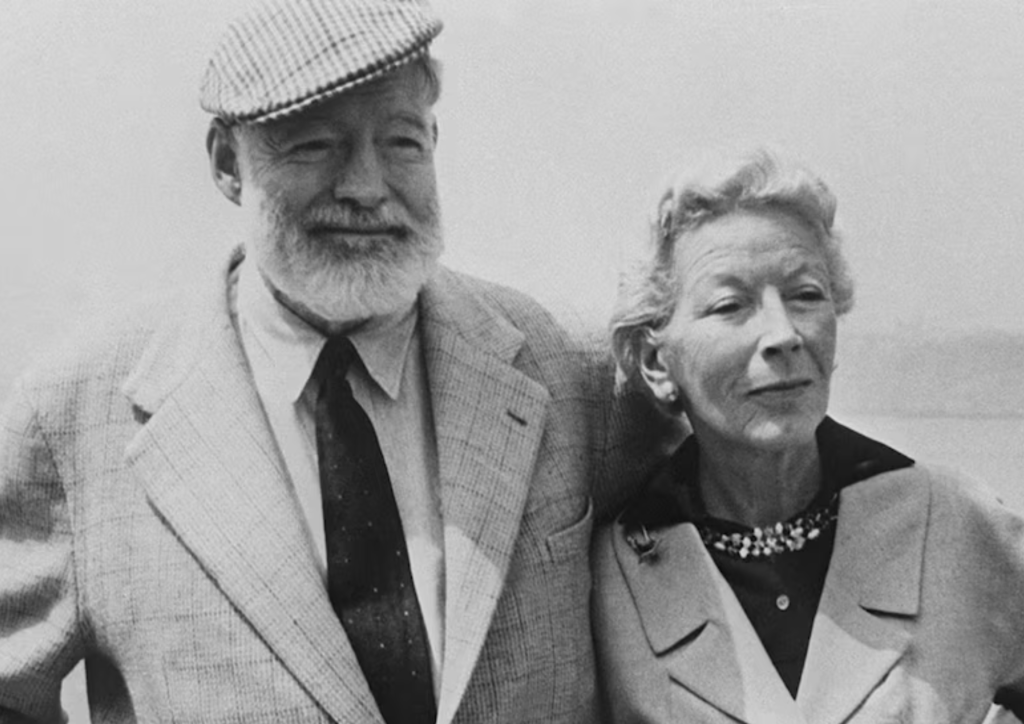
Soon, a tall, white-haired man stepped into town.
It was Ernest Hemingway, the Nobel Prize–winning novelist.
He had traveled with his wife, Mary Welsh, drawn not by the serenity of the place, but by what its waters promised: an encounter with the great marlins of the Pacific, in their most elemental form.
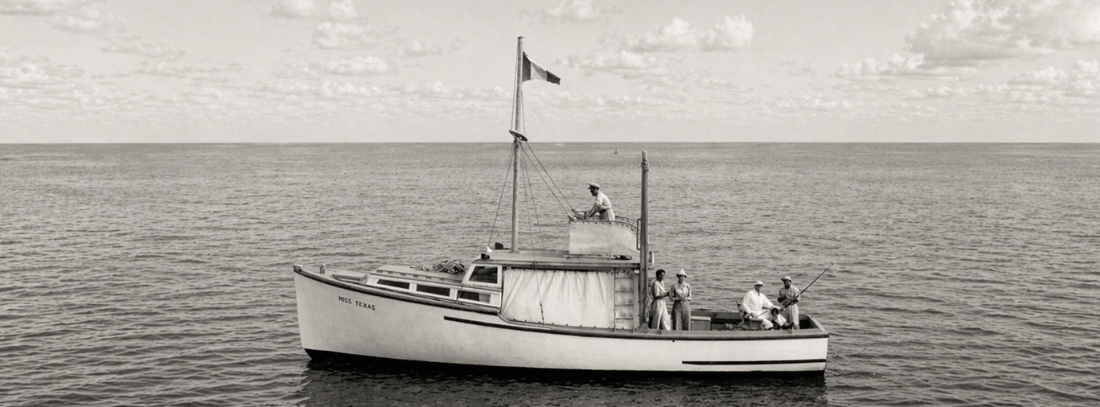
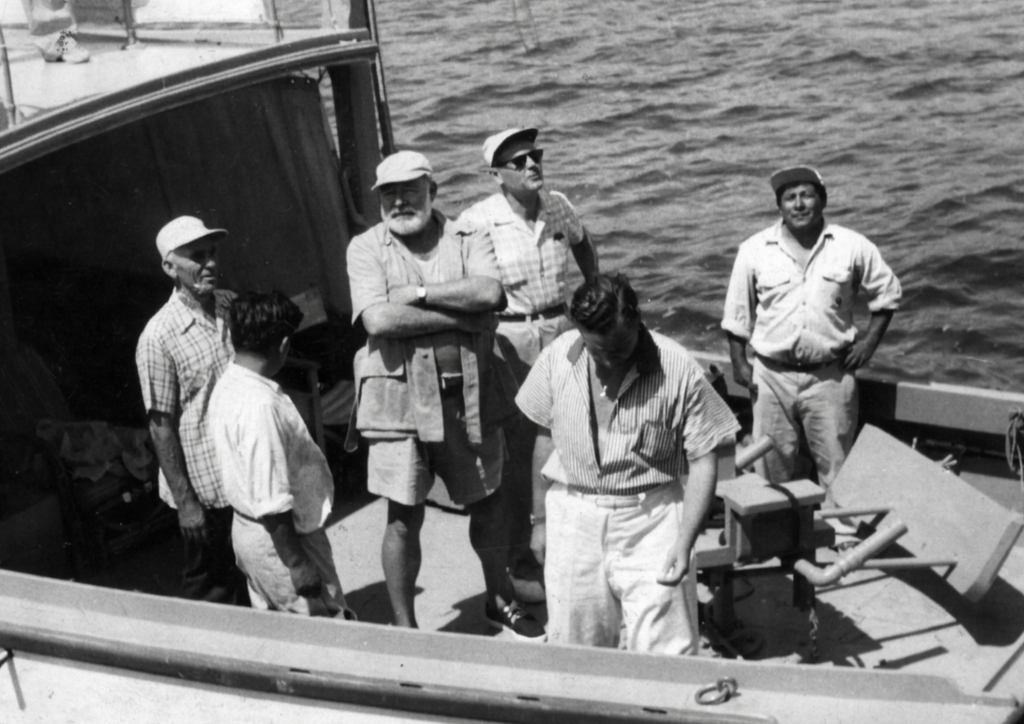
Aboard the Miss Texas, he set out to sea—not in search of rest, but of resistance—as for hours, and sometimes days, the line stretched to its limits, pulled taut by something immense moving beneath the surface: the same quiet duel between man and ocean he had already immortalized in The Old Man and the Sea—only here, it unfolded beyond the page.
Hemingway caught four marlins, one of them weighing over 300 kilos. He remained in Cabo Blanco for 36 days—long enough for his presence to blur into the identity of the place.
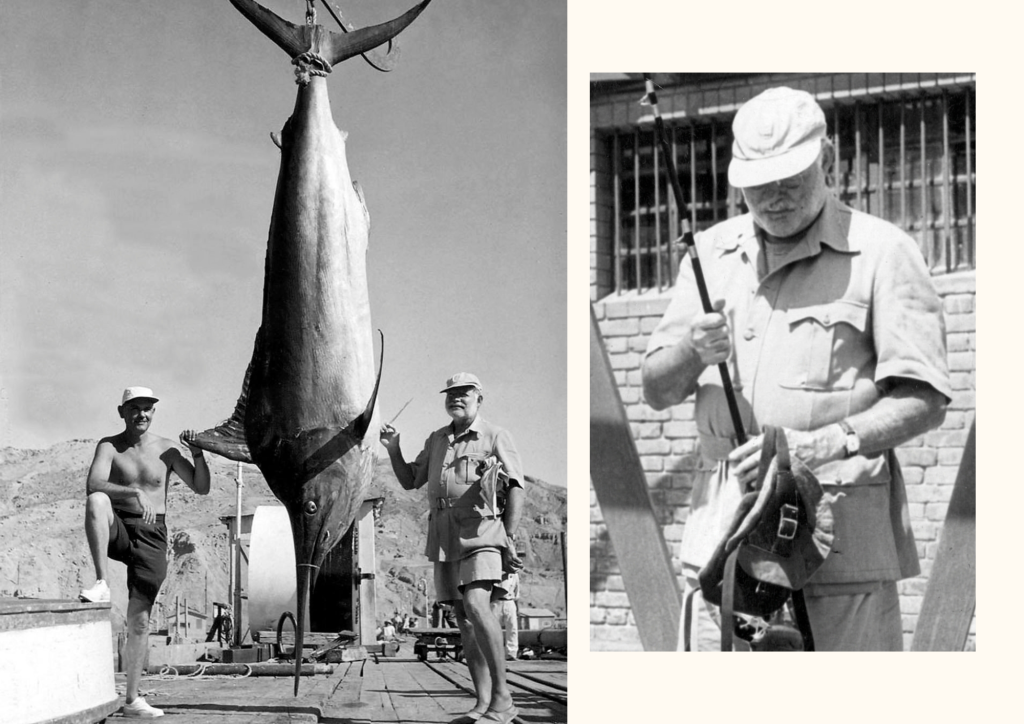
Yet Cabo Blanco’s legend had begun a few years earlier. In 1953, Alfred Glassell changed everything. He landed a black marlin weighing 1,560 pounds—the largest ever recorded. The photograph traveled the world, appearing on the cover of Sports Illustrated, and in doing so, transformed Cabo Blanco into a name spoken with reverence in sport fishing circles.
What had once been a remote coastal village in northern Peru became something else entirely: legendary.
Today, seven decades after Hemingway’s journey, Cabo Blanco stands at the threshold of a profound renaissance.
As Inkaterra marks its 50th anniversary, a new chapter begins: Inkaterra Cabo Blanco, the brand’s first property on the tropical Pacific coast—a retreat where luxury does not impose, but instead dissolves gently into its surroundings.
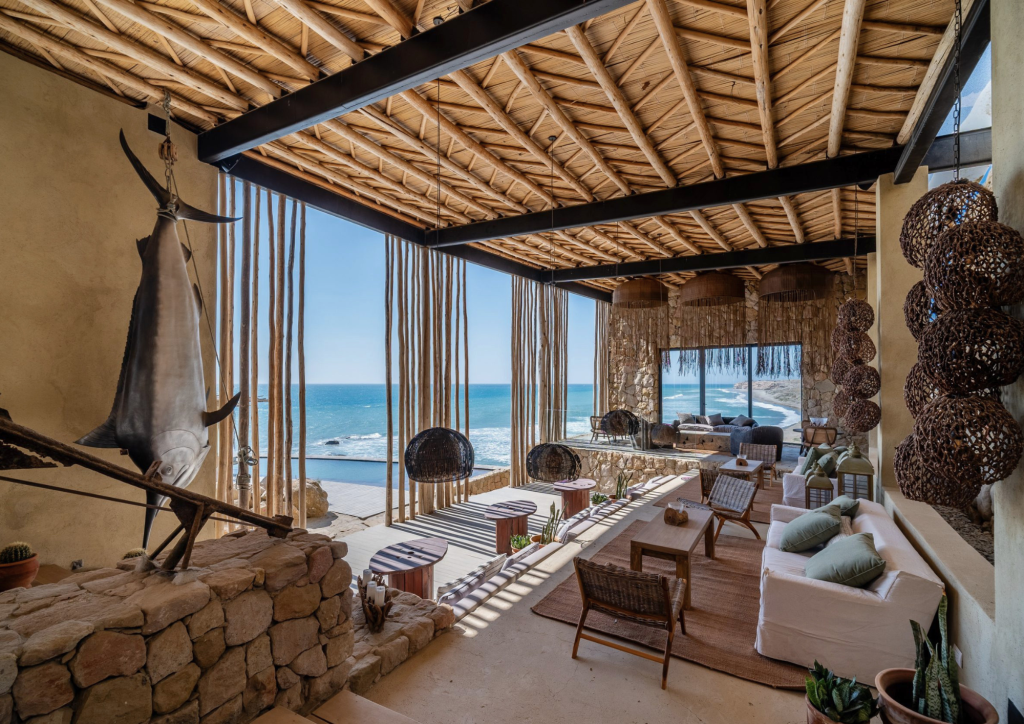
Here, time moves differently. The ocean still sets the rhythm, but now it invites something deeper: contemplation, exploration, a quiet reconnection with a landscape that remains as untamed as ever—anchored in the enduring spirit of Peru’s northern coast.
The Miss Texas returns to the sea—not as a relic, nor as a replica, but as a passage between eras. Between those days when figures like Hemingway and Glassell shaped Cabo Blanco’s most enduring myths, and a present that understands luxury as conservation, and reverence for the natural world.
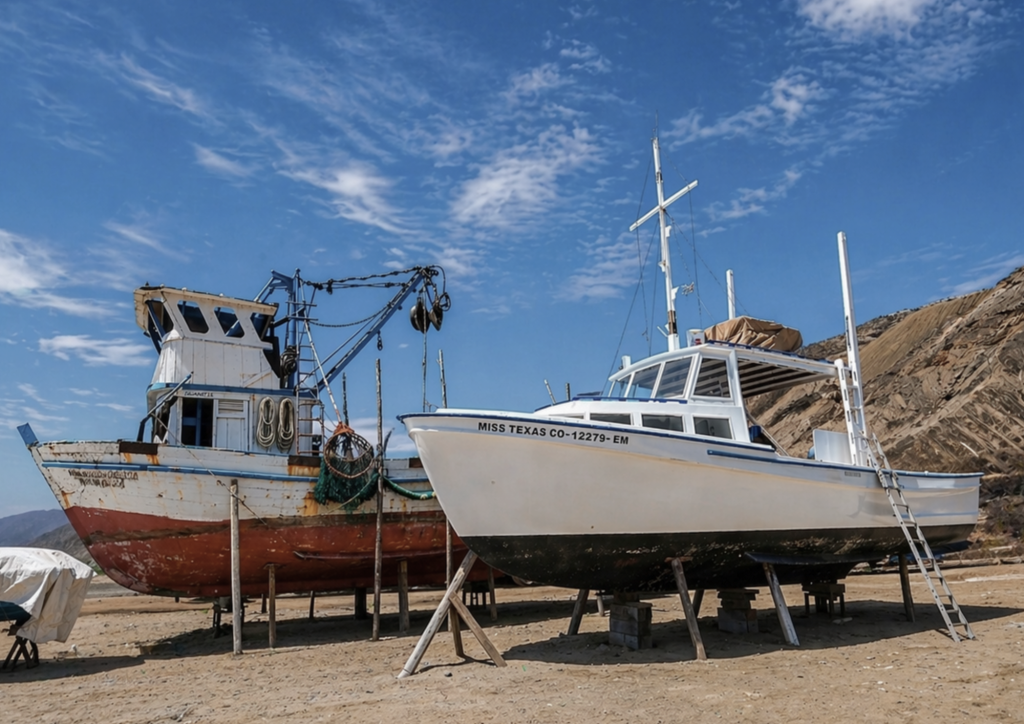
Today, those who arrive in Cabo Blanco do not simply visit a destination.
They step into a story still being written… and, in some quiet way, become part of it.