


Research > Rainforest > Bioremediation
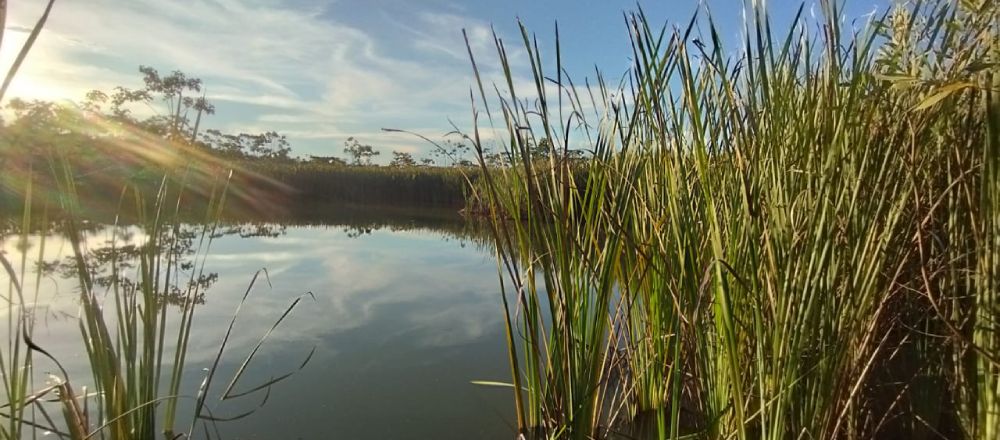
Gold mining in Madre de Dios has generated numerous artificial water ponds in highly degraded areas, altering ecosystems and affecting the quality of water bodies. These abandoned ponds may pose a risk to biodiversity and to local communities that use these areas for activities such as fishing and recreation.
In response to this issue, Inkaterra Asociación (ITA), in partnership with the National Amazonian University of Madre de Dios (UNAMAD), the National University of San Antonio Abad (UNSAAC), the Center for Amazonian Scientific Innovation (CINCIA), and Wake Forest University, is developing the project “Innovative Bioremediation Technologies for the Ecosystem Restoration of Artificial Water Ponds in Highly Degraded Mining Areas in Madre de Dios,” selected by PROCIENCIA as part of its 2024 Applied Research call.
The project aims to develop emerging bioremediation technologies that contribute to the restoration of these ecosystems while exploring their productive potential. To this end, a comprehensive characterization of the water bodies will be carried out, considering physicochemical and bacteriological parameters, as well as the identification of benthic macroinvertebrates, plankton, and ichthyofauna. The presence of metals in sediments, soil characteristics, and riparian vegetation cover will also be assessed.
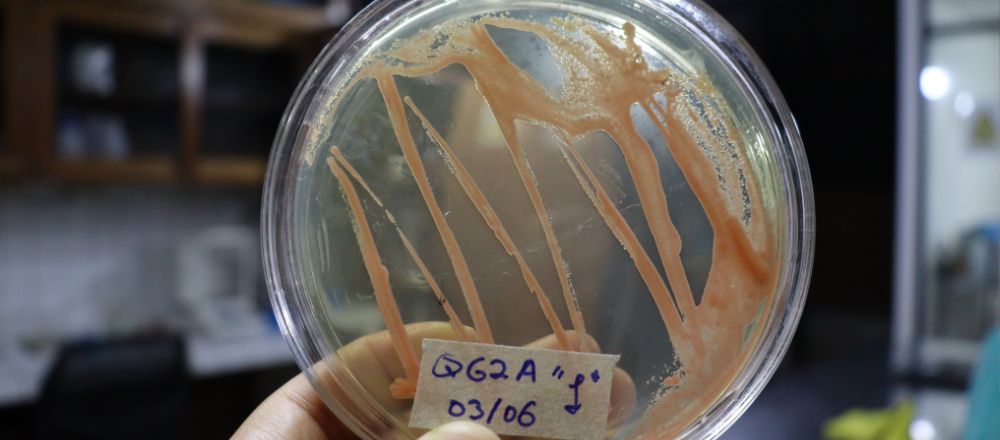
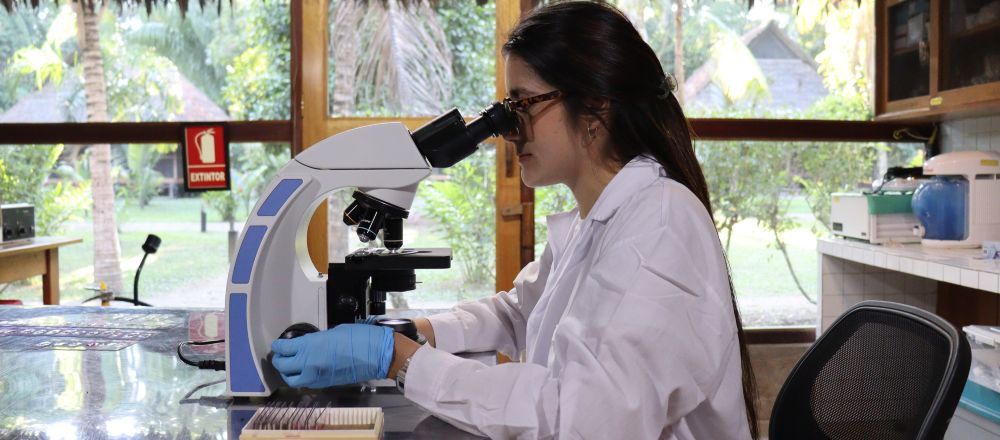
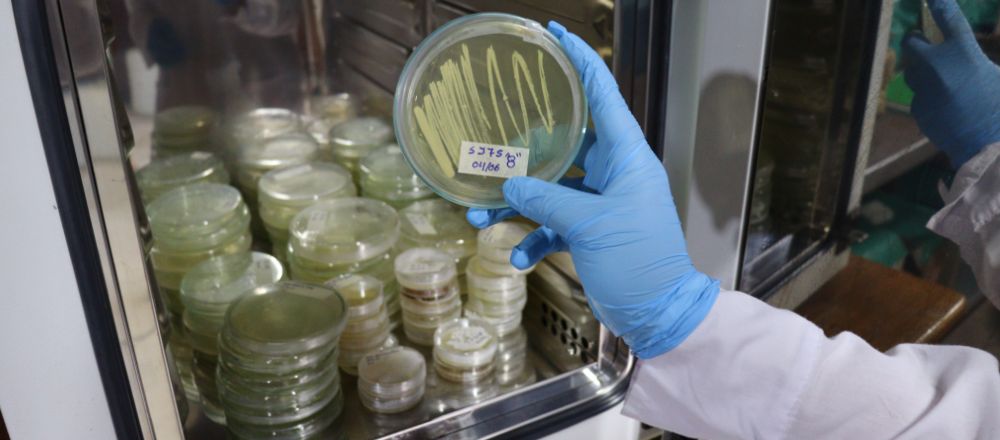
The research includes the development of bioremediation technologies using native organisms, including algae, aquatic plants, and yeasts, with the aim of assessing their capacity to improve the conditions of waters affected by mining activities. Experiments will be conducted under controlled laboratory conditions, along with pilot tests to determine optimal cultivation parameters and evaluate their bioremediation effectiveness.
Based on the results obtained, the project aims to develop a technological package that contributes to the restoration of these ecosystems and can be applied and replicated in other areas affected by mining activities. In this way, the project seeks to generate innovative alternatives to address the environmental impacts of gold mining and contribute to the recovery of degraded ecosystems in Madre de Dios, while also creating new opportunities for sustainable productive activities for local communities and strengthening the region’s scientific and technical capacities.