Adventure Jul 14, 2026 4 min
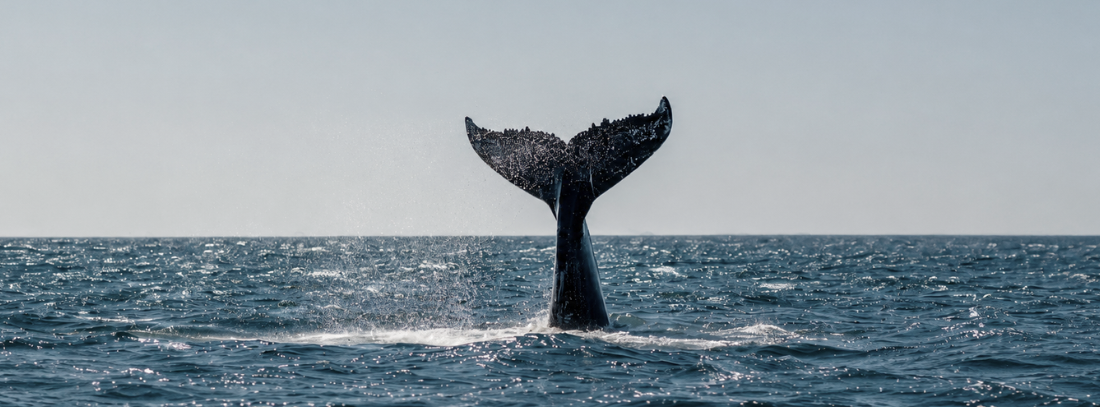
There are mornings in Cabo Blanco when the Pacific seems almost motionless. The horizon stretches endlessly beneath Peru’s northern sky, interrupted only by the rhythm of the waves. Then, without warning, a towering splash breaks the silence. A humpback whale rises above the surface before disappearing once again into the deep blue.
It lasts only a moment, yet becomes a memory that lingers long after the journey ends.
Every year, from July through November, humpback whales return to Peru’s northern coast after an extraordinary migration from Antarctica. Drawn by its warm waters to mate, give birth and raise their calves, they transform Cabo Blanco into one of South America’s most extraordinary wildlife destinations.
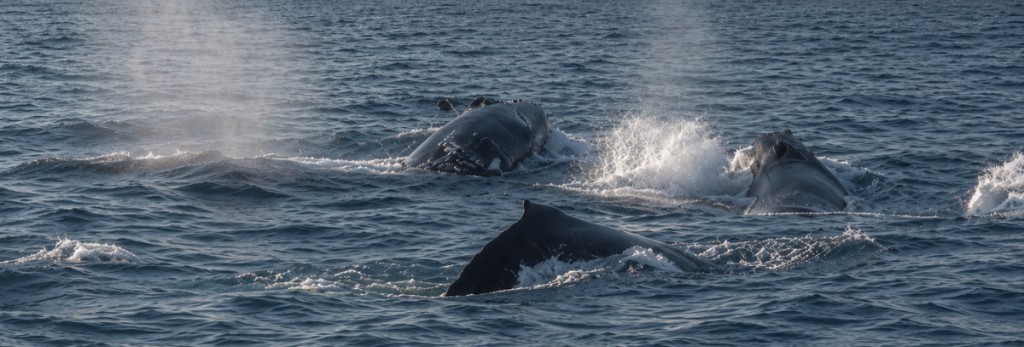
The humpback whale’s migration is one of the longest undertaken by any mammal on Earth. After months of feeding in the nutrient-rich waters of Antarctica, they embark on an extraordinary journey north, guided by instincts that have endured for generations.
The warm waters of Peru’s northern coast offer the ideal environment for breeding and raising calves before the whales begin their return to Antarctica later in the year.
Each encounter is unique. Some whales launch themselves spectacularly above the surface before crashing back into the sea. Others reveal only the graceful curve of a back or the gentle lift of a tail. Mothers are often seen guiding their calves through these calm waters, offering a rare glimpse into one of nature’s most remarkable journeys.
Long celebrated for its world records for marlin fishing, and its ties to Nobel Prize laureate Ernest Hemingway, Cabo Blanco has a history as storied as its waters. Today, that same coastline has become one of Peru’s finest places to witness the annual return of humpback whales.
Its privileged location, where the cool Humboldt Current meets warmer tropical waters, creates an ecosystem that supports an exceptional diversity of marine species. Beyond humpback whales, visitors may also encounter sea turtles and a remarkable variety of seabirds, including Franklin’s gulls. Together, they reveal another side of Cabo Blanco’s extraordinary marine ecosystem.
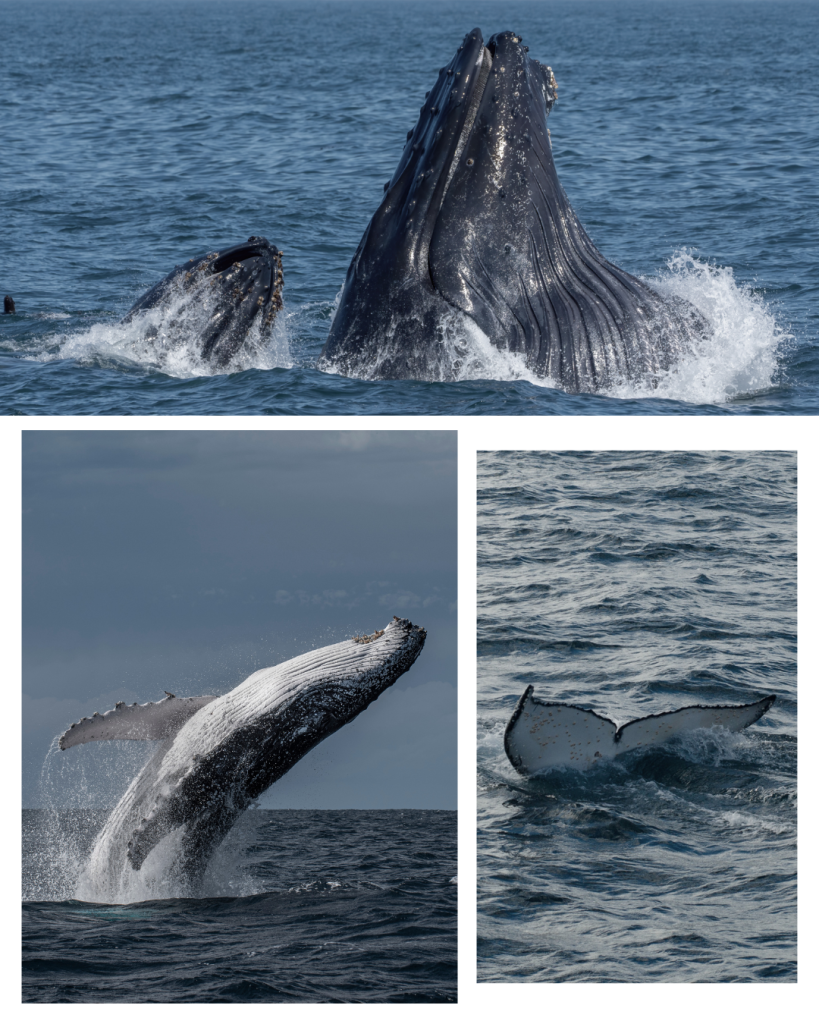
There is something unforgettable about waiting in silence as the horizon stretches endlessly ahead, then hearing the sound of a whale’s blow before a massive breach transforms the tranquility into wonder. These are the moments that define whale season in Cabo Blanco—not only what you see and hear, but what you feel.
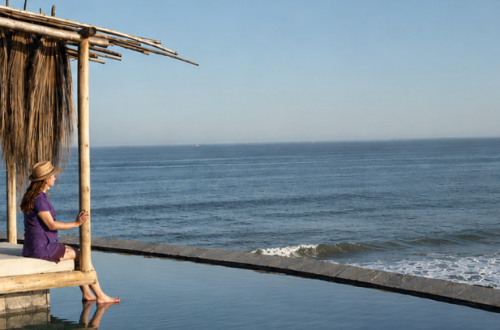
That same sense of stillness extends ashore. Perched above the Pacific coastline, Inkaterra Cabo Blanco invites travellers to experience the season at an unhurried pace. Mornings may begin with a whale-watching excursion, followed by a lunch of Peru’s iconic ceviche overlooking the sea, while afternoons unfold to the rhythm of the waves and the golden sunset settling over the horizon.
Recently recognised in the 2026 Condé Nast Traveler Hot List as one of the Best New Hotels in the World, the property features just thirteen oceanfront suites, embodying the essence of barefoot luxury with uninterrupted views that keep the Pacific at the heart of every stay.
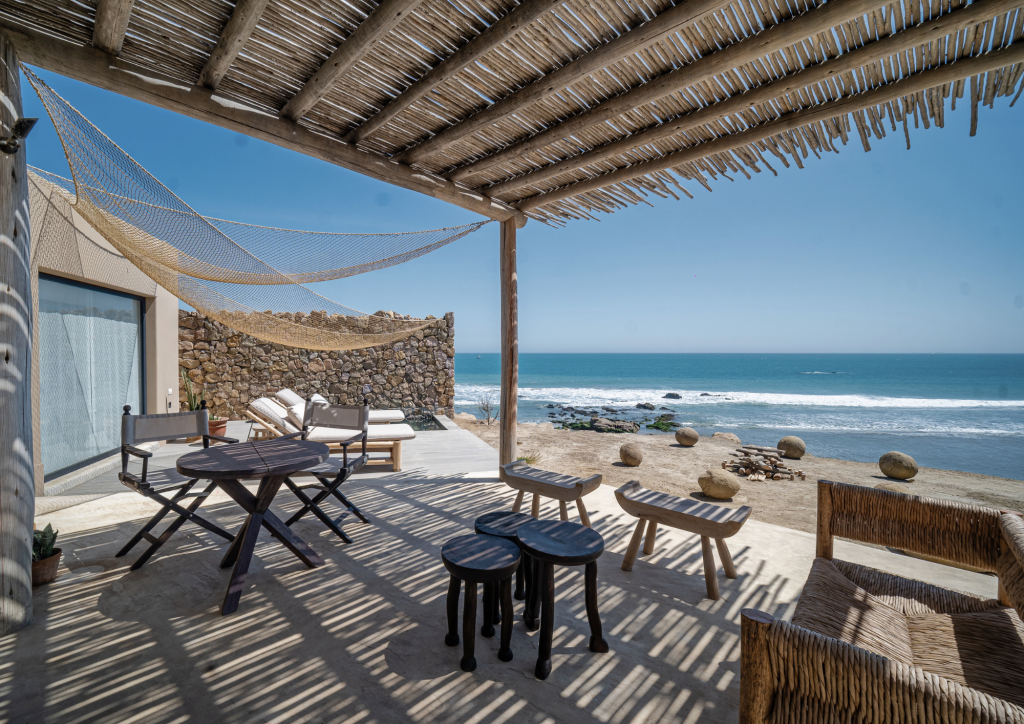
Whale season lasts only from July through November—just five months when Cabo Blanco becomes the stage for one of the world’s most inspiring migrations. It is a timeless spectacle that has unfolded along Peru’s northern coast for centuries.
As Inkaterra Cabo Blanco welcomes its first guests, the season unfolds with experiences inspired by the surrounding landscape, reflecting the authenticity, conservation values and understated luxury that have long defined Inkaterra.
Reservations are now open, inviting travellers to experience Cabo Blanco during one of nature’s most extraordinary seasons—where each day offers the chance to witness one of the Pacific’s greatest natural spectacles.