Alcira Cuba, Tea Master at Inkaterra Machu
Picchu Pueblo Hotel, represented Inkaterra at
the first edition of the International Tea
Symposium 2026, held on May 19-21 on Réunion
Island, a French overseas territory in the
Indian Ocean renowned for its rich tea-growing
heritage and biodiversity.
Her participation follows a series of
international recognitions for Inkaterra’s
organic tea, including the Gold Medal and two
silver medals at the Teas of the World Awards
organized by AVPA France.
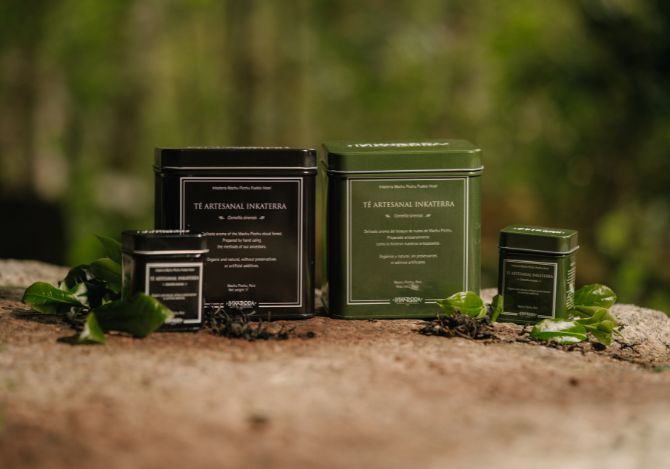
As the steward of Inkaterra’s organic tea
program, Alcira shared the story of one of the
world’s most unique tea-growing landscapes: the
century-old Camellia sinensis plantation
nestled within the cloud forest of Inkaterra
Machu Picchu Pueblo Hotel. Located at 2,050
meters above sea level, these historic tea
fields are cultivated under the shade of native
trees and managed according to organic
principles that harmonize agricultural
production with ecological restoration.
More than a beverage, Inkaterra tea represents a
living expression of regenerative tourism.
Revived from a historic plantation acquired by
José Koechlin in 1976, the project contributes
to the conservation of the Andean cloud forest
while preserving an ancestral agricultural
tradition. Today, each cup reflects the unique
terroir of Machu Picchu: mountain soils, spring
water, mist-covered forests, and nearly five
decades of commitment to conservation and
sustainability.
The symposium brought together tea producers,
researchers, artisans, gastronomic experts, and
industry leaders from around the world to
exchange knowledge and explore the future of tea
cultivation in a changing world. Discussions
focused on topics such as terroir, biodiversity,
climate resilience, traditional knowledge,
sustainable production, and the growing role of
tea as a cultural and gastronomic expression.
By participating in international gatherings
such as the International Tea Symposium,
Inkaterra continues to strengthen its
contribution to the global dialogue on
biodiversity, responsible agriculture, and the
cultural value of tea.