Acknowledged by the United Nations as the World’s First ‘Climate Positive’ Hotel Brand, Inkaterra is a Peruvian organization 100% Carbono Neutral that is celebrating 47 years of experience in sustainable tourism initiatives. It focuses on preserving Peru’s nature and cultures and sharing them with the world.
Each year Inkaterra hosts more than 200,000 travellers providing authentic nature experiences in Peru, while rescuing, presenting and showcasing Peru’s culture and nature for the world.


Family fun with Inkaterra!
This year, why not take your kids to Peru with Inkaterra on the family holiday of a lifetime? At Inkaterra, we are passionate about crafting unforgettable exper...
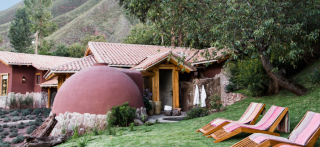
A place of calm
Envision a serene haven where the melodies of nature blend with the mysticism of the Peruvian Andes. Welcome to Mayu Spa, a place of calm nestled in the heart o...
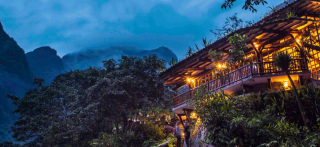
Vote for Inkaterra in Travel + Leisure’s World’s Best Awards 2024
Exciting News, Dear Readers! Inkaterra has been nominated by Travel + Leisure as one of the “Best Hotel Brands” in the world, and that's not all ̵...
Receive our monthly updates